
Table of Contents
Fraudulent High-Yield Investment Programs (HYIPs) are surging globally, pushing “guaranteed” profits that no legitimate investment can sustain. These scams lure victims with a simple pitch: deposit money, wait, and withdraw fast returns, often advertised with exaggerated figures such as “40% return in 72 hours.”
Read the full report here: https://www.ctm360.com/reports/hyip-risk
But behind the polished branding and fake success stories, HYIPs typically operate like classic Ponzi schemes, where early investors receive initial payouts to create the illusion of profit, while subsequent investments result in delayed or withheld withdrawals. Referrals are incentivized to keep funds flowing.
Eventually, withdrawals freeze, sites vanish, and the platform operators disappear with the remaining money.
4,200+ Scam Websites and Hundreds of Monthly Incidents
In an analysis based on activity observed through its WebHunt platform, CTM360 identified a sample of 4,200+ websites promoting fraudulent HYIP schemes over the past year.
The company also recorded 485+ incidents in December 2025 alone, averaging 15+ detections per day, indicating sustained and scalable scam activity.
Two Main HYIP Variants Dominating the Campaign
CTM360’s findings highlight two common HYIP formats:
- Cryptocurrency trading-based HYIPs, built to exploit interest in digital assets
- Forex and stock trading-based HYIPs are designed to look like legitimate market platforms
Both variations rely on the same core deception: professional-looking interfaces and fabricated performance claims intended to extract deposits rather than generate returns.
Traditional VPNs expose networks to security risks, require complex configurations, and make compliance difficult. TruGrid SecureRDP eliminates these challenges with a fully managed, cloud-based RDP solution that requires no open firewall ports.
With built-in MFA, Geo-Blocking, and a Zero Trust framework, TruGrid simplifies remote access while ensuring enterprise-grade security.
Try a Business Plan for Free
How HYIP Operators Spread These Scams
CTM360 observed that threat actors heavily rely on social media distribution, using:
- Paid social media ads (including Meta/Facebook ads)
- Telegram and WhatsApp
- Bogus social profiles promoting “invest/profit/trade” themes
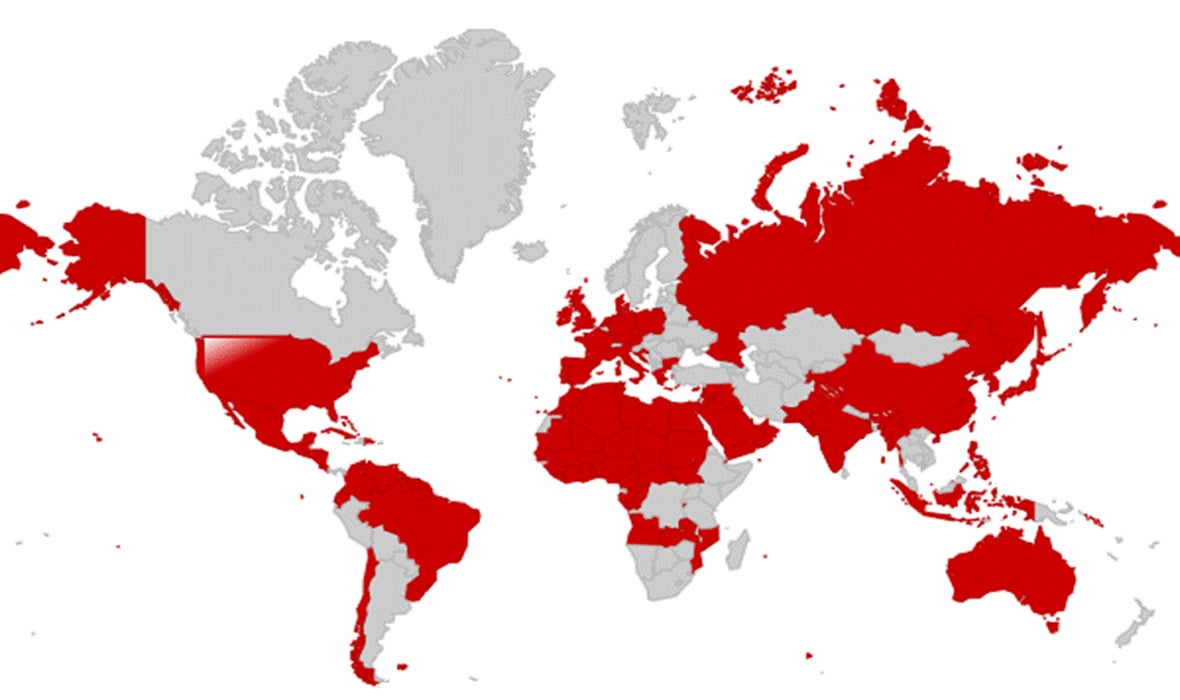
These promotions were detected in 20+ languages, showing wide geographic targeting and victim outreach.
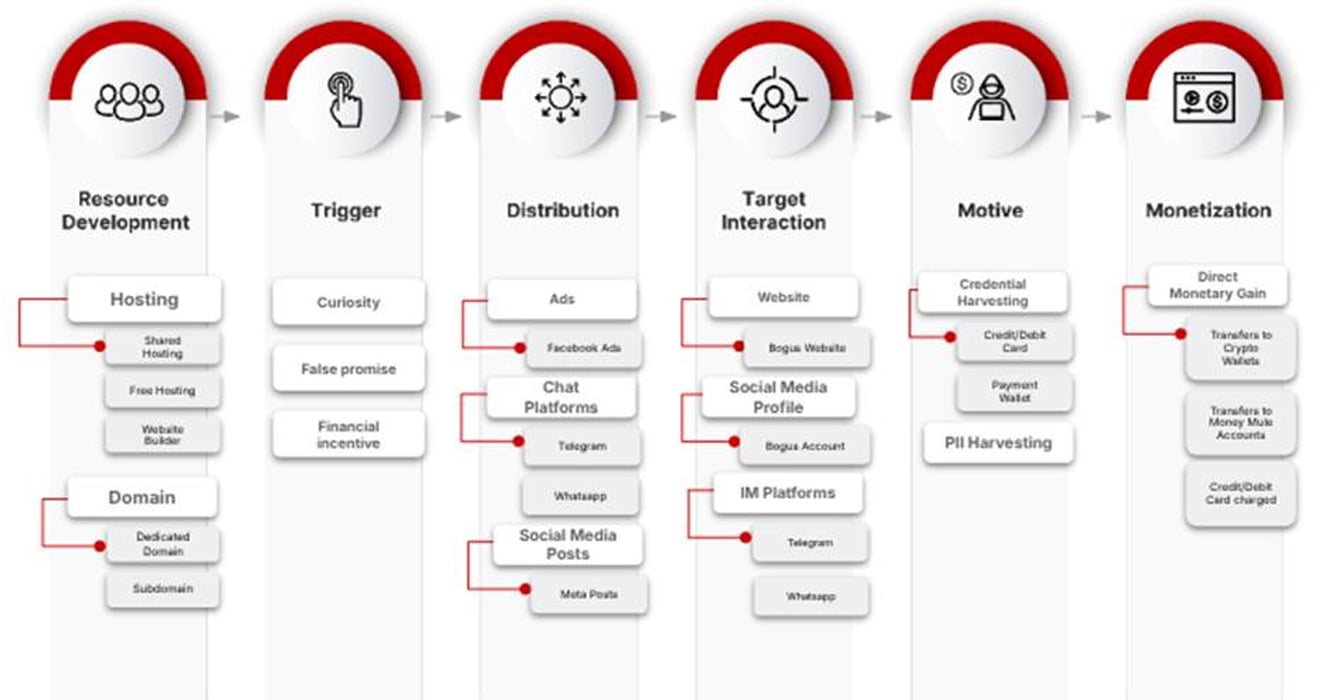
CTM360 maps this activity using its Fraud Navigator framework, inspired by MITRE, showing a full lifecycle, from Resource development and Distribution to Motive and Monetization.
Fake “Licenses” and Recycled Templates Across Hundreds of Sites
To appear credible, HYIP websites often display:
- Forged international standards and licensing stamps
- Fake testimonials
- Fraudulent withdrawals and transaction histories
CTM360 noted that licensing details are frequently reused across multiple scam sites using the same templates. In one case, the same company registration number and address appeared across 270+ sites, suggesting mass-produced scam infrastructure.
Referral Programs Turn Victims Into Distributors
A key growth lever in HYIPs is the referral model, where victims are pushed to invite others through promises of:
- bonus rewards
- increased profit rates
- referral commissions
This structure helps scams scale quickly beyond paid ads into personal networks.
Payments, KYC Delays, and the Exit Strategy
While cryptocurrency is commonly used, CTM360 also observed HYIPs accepting:
- credit/debit cards
- local payment gateways
Many platforms also request KYC documents to “activate” accounts, then repeatedly claim the verification is still in progress to delay withdrawals and withhold funds.
The HYIP Lifecycle Ends the Same Way
HYIP scams follow a predictable cycle: set up fake platforms, promote through social media, build trust with fabricated results, incentivize larger deposits through referral schemes, and then collapse by blocking withdrawals and vanishing.
Read the full report here: https://www.ctm360.com/reports/hyip-risk
Detect Cyber Threats 24/7 with CTM360
Monitor, analyze, and promptly mitigate risks across your external digital landscape with the CTM360.
Join our Community Edition
Sponsored and written by CTM360.